almost 60% of those impacted also live with obesity, Jeff Emmick, MD, PhD, senior vice president of product development for Lilly, said in a statement
When stored correctly, lyophilized peptides can remain stable for years
However, there is no evidence that stimulant-based ingredients are effective when delivered through the skin, and it remains unclear whether they can be absorbed in sufficient amounts to produce meaningful effects
Cost, Benefits, and Side Effects A Weight Loss Doctors Advice on Alcohol and Ozempic: Tirzepatide (GLP-1) Shots for Weight Loss in North Florida Tirzepatide (GLP-1/GIP) Weight Loss Injections in Hialeah Before & After Transformations Real Patient Results Real people, REAL RESULTS
However, as more studies confirm its effectiveness for weight loss, its likely that more insurance providers will cover it in the near future

A trial randomly assigned 2254 patients with prediabetes and BMI 30, or BMI 27 with dyslipidemia or hypertension, to receive liraglutide 3 mg daily or placebo in addition to health behaviour changes.31 The time to onset of type 2 diabetes over 160 weeks was 2.7 (95% CI 1.9 to 3.9) times longer with liraglutide 3 mg than with placebo, and the risk of developing diabetes was reduced by 79% with liraglutide (HR 0.21, 95% CI 0.13 to 0.34).31 Orlistat was evaluated in a trial that randomly assigned 3305 patients with BMI 30 and normal (79%) or impaired (21%) glucose tolerance, to receive orlistat 120 mg 3 times daily or placebo, in addition to health behaviour change.32 At 208 weeks, progression to diabetes was observed in 6.2% in the orlistat group versus 9.0% in the placebo group.32 Tirzepatide was evaluated in an RCT that randomly assigned 1032 adults with prediabetes and BMI 30, or BMI 27 with at least 1 obesity-related complication, to receive tirzepatide 5 mg, 10 mg, 15 mg weekly ( n = 762), or placebo ( n = 270), in addition to health behaviour changes.33 At 176 weeks, the risk of progression to type 2 diabetes was decreased by 93% with tirzepatide compared with placebo (HR 0.07, 95% CI 0.0 to 0.1).33 A trial evaluating semaglutide randomly assigned 207 people with BMI 30 and prediabetes to receive semaglutide 2.4 mg ( n = 138) or placebo ( n = 69), in addition to health behaviour changes.34 At 52 weeks, 81% of participants reverted to normoglycemia with semaglutide versus 14% with placebo (odds ratio 19.8, 95% CI 8.7 to 45.2).34 We identified no dedicated RCTs evaluating naltrexonebupropion for the treatment of prediabetes in people with obesity

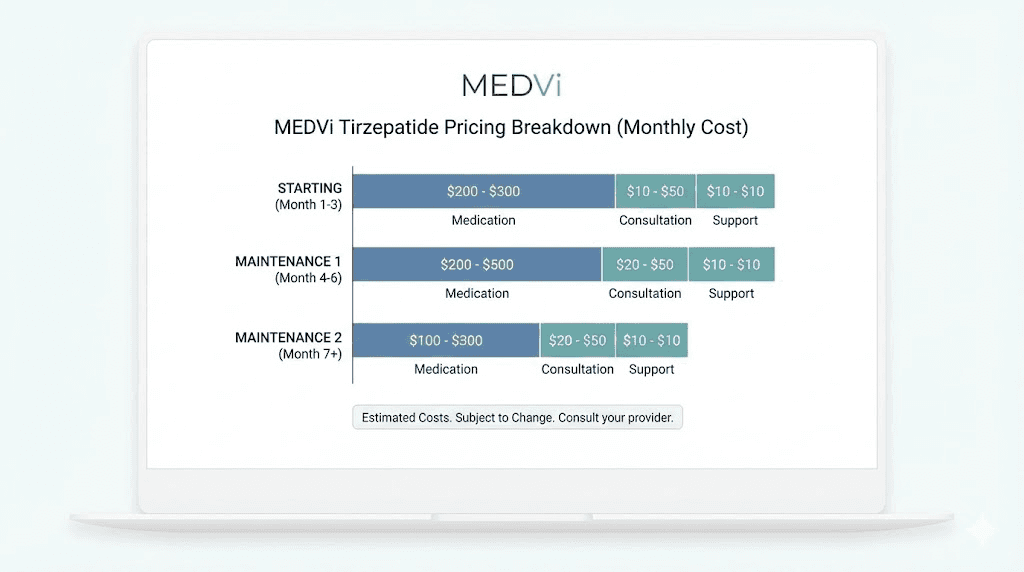
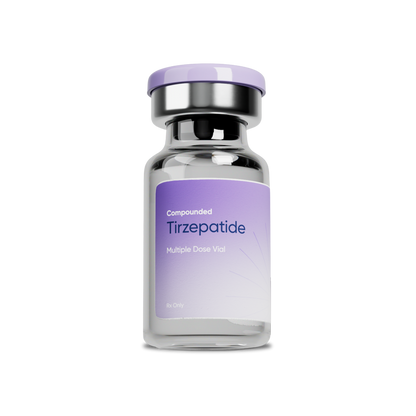
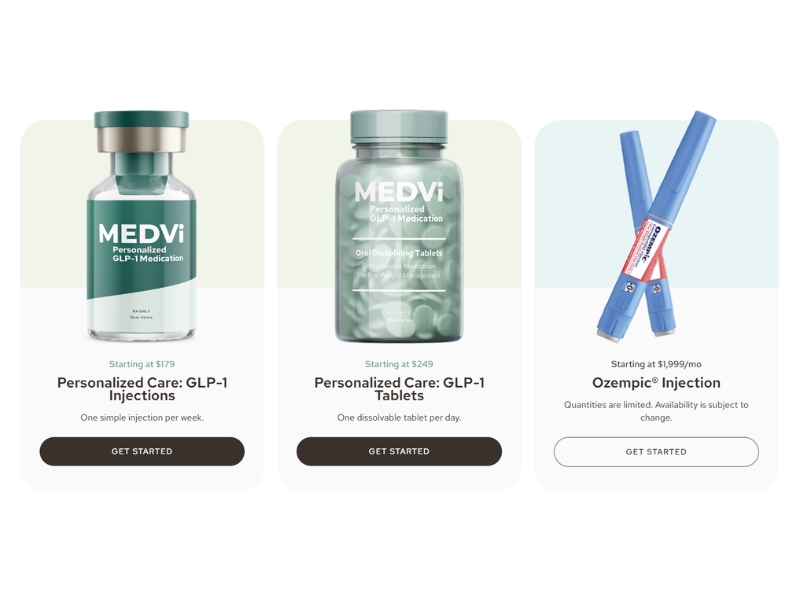

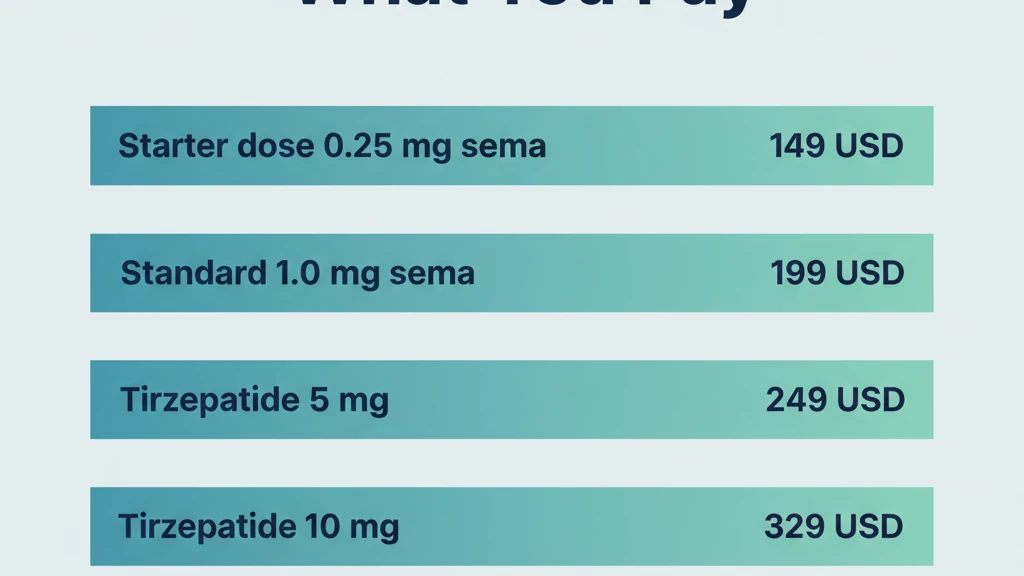


/product/02/3175523/1.jpg?6062)


.jpg)