Is HydraFacial Good for Acne-Prone Skin?
If you have acne-prone skin, finding the right facial treatment can feel overwhelming. Many facials cause breakouts, irritate sensitive skin, or temporarily worsen congestion. The HydraFacial, however, has become a favorite among acne sufferers and dermatologists alike and for very good reasons.
Let’s explore how the HydraFacial addresses acne at its root causes, why it’s safer than many traditional treatments for breakout-prone skin, and what kind of results you can expect.
Understanding Acne: Why Pore Health Matters
Acne develops when hair follicles become clogged with excess sebum (oil), dead skin cells, and bacteria. This creates the ideal environment for Propionibacterium acnes (P. acnes) bacteria to multiply, resulting in whiteheads, blackheads, papules, and cysts.
Effective acne treatment must address multiple factors: unclogging pores, reducing excess oil, removing dead skin buildup, controlling bacterial growth, and soothing inflammation. The HydraFacial is uniquely positioned to address all of these factors in a single session.
How HydraFacial Targets Acne
The HydraFacial’s multi-step approach tackles acne through several mechanisms:
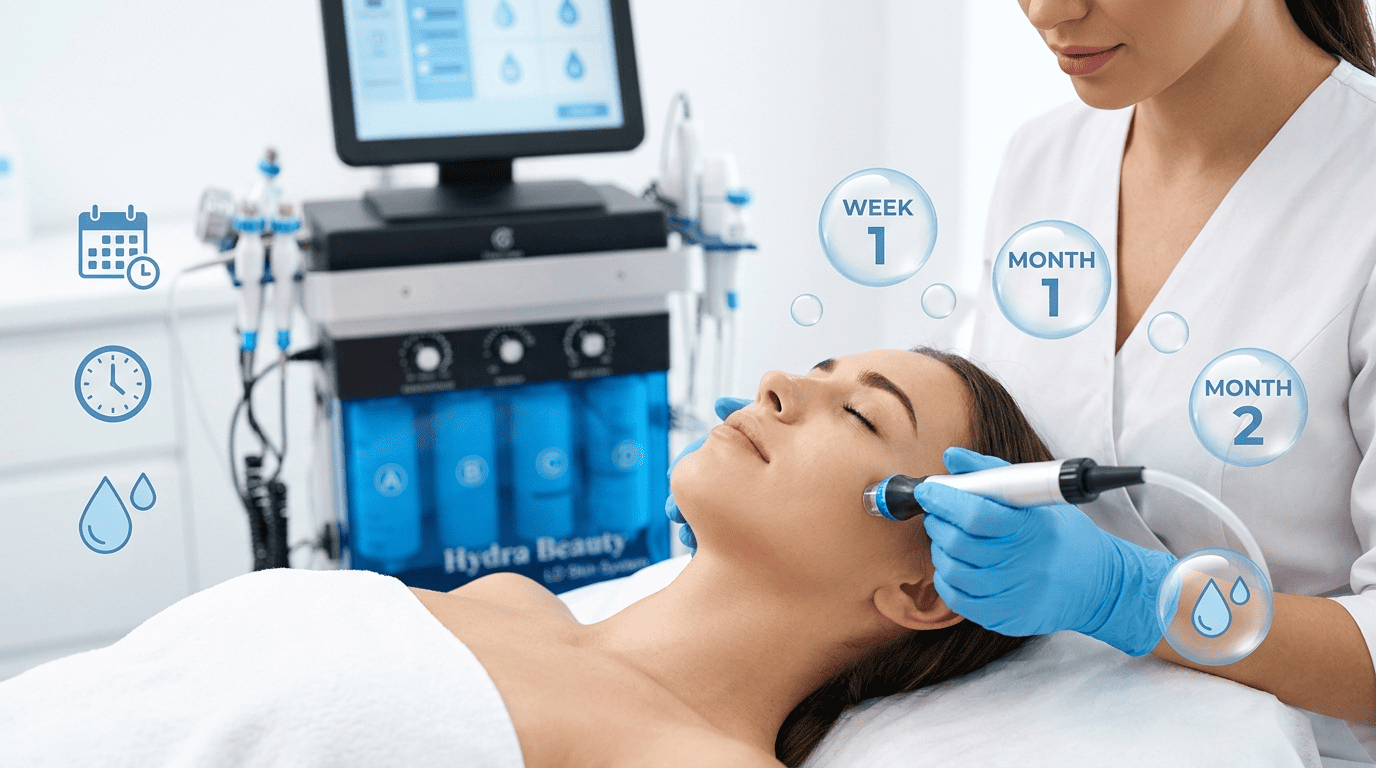
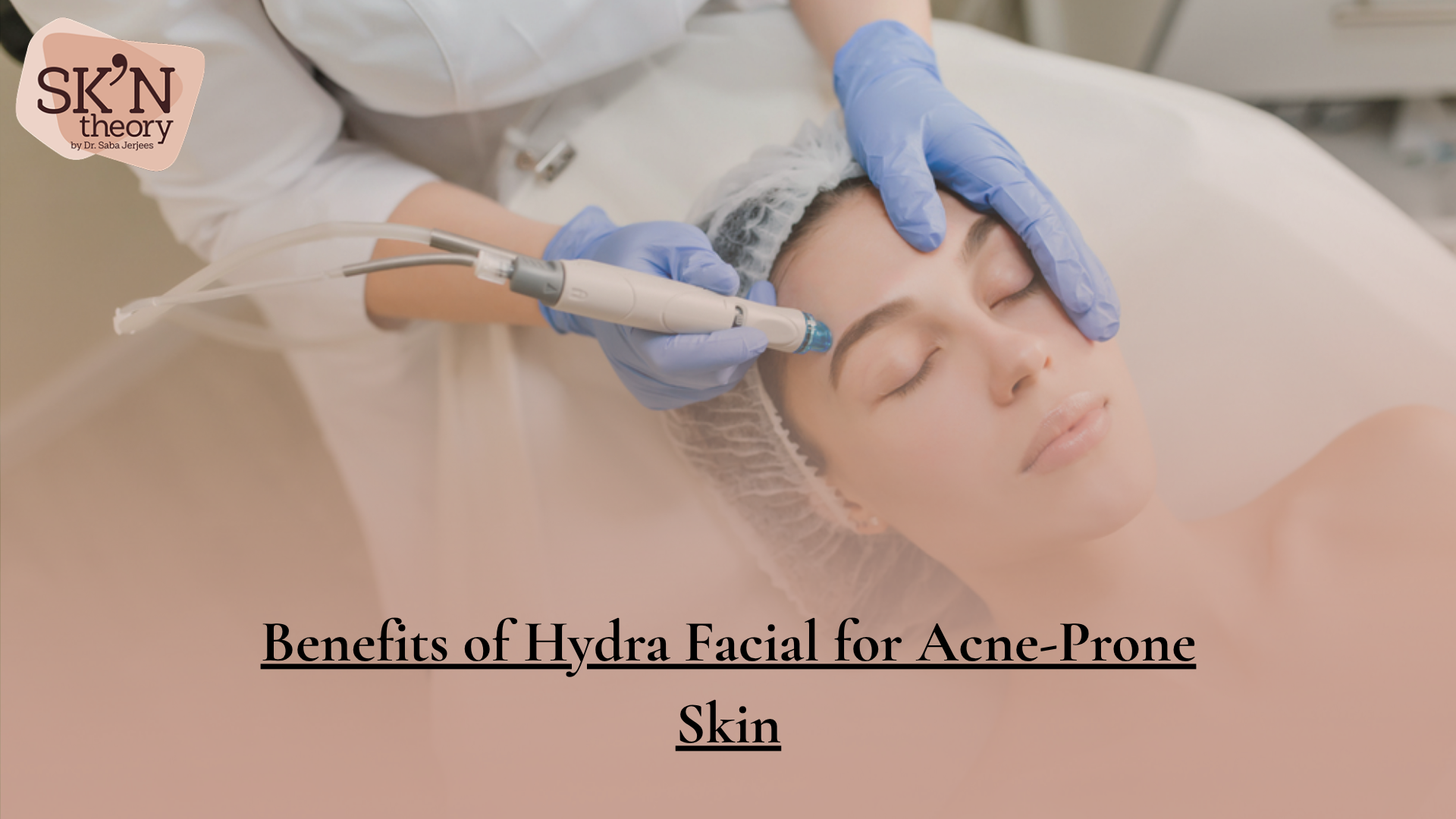
Deep Pore Cleansing: The device’s vortex suction technology reaches deep into pores to extract blackheads, whiteheads, excess sebum, and dead skin cells. Unlike manual extractions, which can push bacteria deeper into the skin if done incorrectly, the vacuum-based method is hygienic and minimizes the risk of spreading bacteria.
Salicylic Acid Exfoliation: The second step of the HydraFacial includes a mild chemical peel using salicylic acid a beta-hydroxy acid (BHA) that is oil-soluble and specifically designed to penetrate and unclog pores. This is particularly effective for acne-prone skin.
Hydration Without Breakouts: One common mistake in acne skincare is skipping moisturizer, fearing it will worsen breakouts. Dehydrated skin often compensates by producing more oil, worsening acne. HydraFacial infuses lightweight, non-comedogenic hyaluronic acid to hydrate skin without clogging pores.
Antioxidant Protection: The serums delivered during HydraFacial contain antioxidants that help reduce inflammation a key driver of acne severity.
Why HydraFacial Is Safer Than Traditional Facials for Acne
Traditional facials often involve manual extractions squeezing pores by hand which, when done aggressively or incorrectly, can cause micro-tears in the skin, spread bacteria, and lead to post-extraction inflammation and scarring.
HydraFacial eliminates this risk. The vacuum-based extraction is gentle, controlled, and hygienic. There is no manual squeezing, no risk of spreading bacteria, and no post-treatment breakout spikes that some clients experience after aggressive manual facials.
Additionally, the consistent, low-irritation process means that even clients with inflammatory acne (active breakouts) can often tolerate a HydraFacial though it’s always advisable to consult with a skincare professional before treating active cystic acne.
HydraFacial and Post-Acne Pigmentation
One of the most frustrating aspects of acne is the dark spots and hyperpigmentation (post-inflammatory hyperpigmentation, or PIH) left behind after a breakout heals. HydraFacial treatments can be customized with brightening boosters such as vitamin C, kojic acid, or tranexamic acid to target these dark spots and even out skin tone over time.
Regular monthly HydraFacial sessions combined with the right at-home skincare routine can significantly reduce the appearance of acne scars and discoloration over 3–6 months.
What to Expect After Your First HydraFacial for Acne
After your first session, your skin may look noticeably clearer and feel smoother. Some clients experience a slight purging effect where existing congestion rises to the surface in the days following treatment. This is normal and temporary.
Most clients notice a significant reduction in blackheads, improved skin texture, and a brighter, more even complexion. With consistent monthly treatments, breakout frequency typically decreases and skin becomes progressively clearer.
Combining HydraFacial with Your Acne Treatment Plan
HydraFacial is not a replacement for medical acne treatment if you have moderate to severe acne. It works best as a complementary treatment alongside a dermatologist-prescribed skincare routine, topical treatments, or medications.
If you’re using retinoids, benzoyl peroxide, or prescription acne medications, inform your aesthetician before treatment. Certain active ingredients can increase skin sensitivity and may require temporary adjustment around your HydraFacial schedule.
Final Thoughts
For those with acne-prone skin, the HydraFacial is one of the most effective, gentle, and comprehensive facial treatments available. By addressing the root causes of acne clogged pores, excess oil, dead skin buildup, and dehydration without the irritation risks of traditional facials, it offers a truly unique solution.
If you’re ready to take your acne management to the next level, consider adding monthly HydraFacial sessions to your skincare routine. The results speak for themselves.
Not sure what your skin needs?
Book a consultation at our Clifton clinic and our doctors will build a plan around your skin.