Understanding the Main Difference
Botox Treatment is often confused with fillers, but both treatments work in very different ways. Botox relaxes targeted muscles that create expression lines, while fillers restore volume, shape, and softness in areas that have lost fullness. Although both options can refresh your appearance, they solve different cosmetic concerns. Therefore, understanding the difference can help you choose the treatment that fits your goals.
Many people think they need one or the other, but the right choice depends on what bothers them most. If your lines appear when you smile, frown, or raise your eyebrows, Botox may be the better option. However, if your face looks hollow, flat, or less defined, fillers may offer better support. As a result, a professional consultation can make your decision much easier.
How Botox Works
Treating Expression Lines
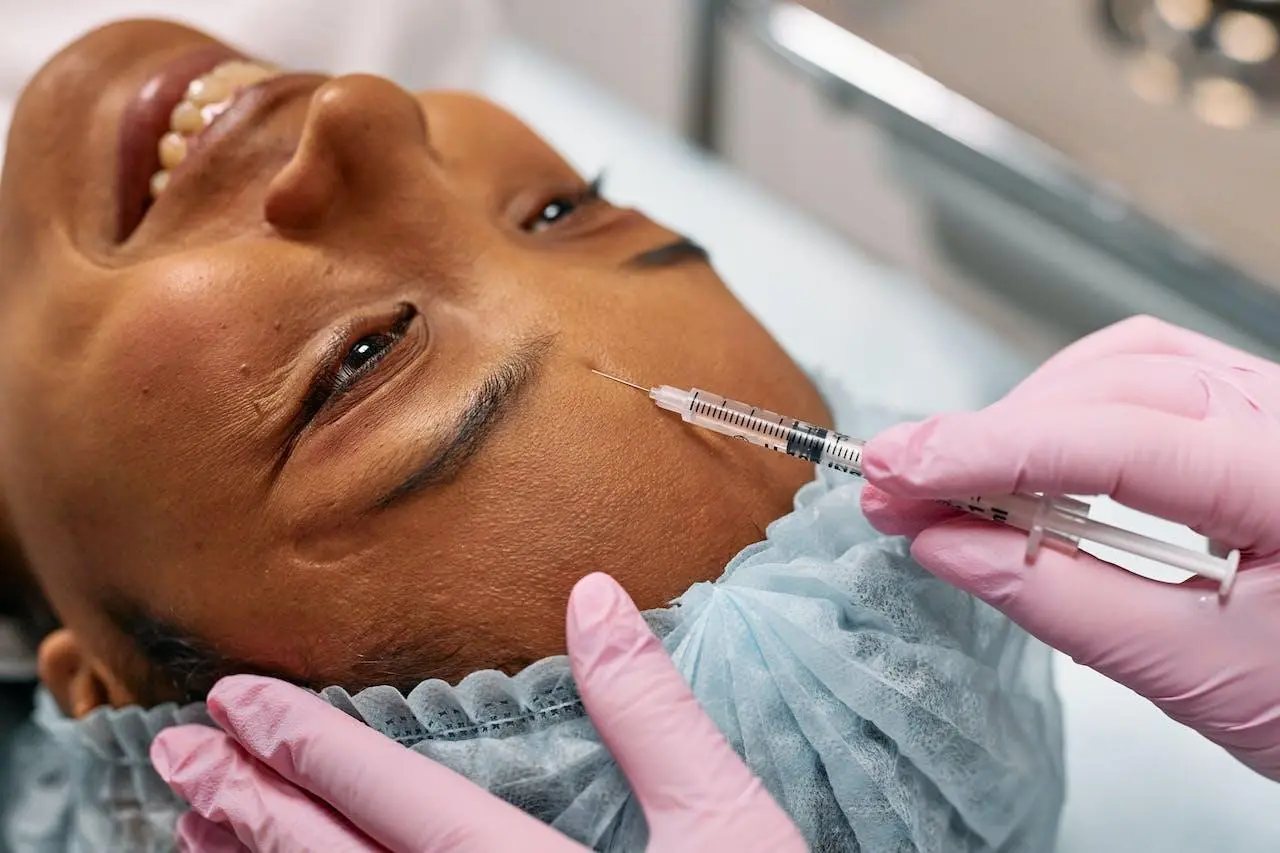
Botox works by relaxing specific facial muscles for a temporary period. When these muscles move less, the skin above them folds less often. This helps soften lines caused by repeated expressions, such as forehead wrinkles, frown lines, and crow’s feet. Over time, regular treatments may also help prevent these lines from becoming deeper.
A good Botox Treatment plan focuses on balance, not a frozen look. A skilled provider studies how your face moves before placing the injections. They use careful technique to relax only the muscles that need softening. Consequently, your face can still look natural, expressive, and refreshed.
How Fillers Work
Restoring Volume and Shape
Fillers work differently because they add volume beneath the skin. Most modern fillers use hyaluronic acid, a substance that naturally exists in the body and helps keep skin hydrated. Providers often use fillers in the cheeks, lips, smile lines, under eyes, jawline, and chin. Because fillers add structure, they can improve facial balance and create a smoother appearance.
Fillers can also help when aging causes volume loss. As the face changes over time, cheeks may flatten, lips may thin, and folds may become more noticeable. Instead of relaxing muscles, fillers lift, shape, and support these areas. Therefore, they are often the better choice for people who want to restore fullness rather than reduce movement.
Which Concerns Does Each Treatment Address?
Matching the Treatment to Your Goals
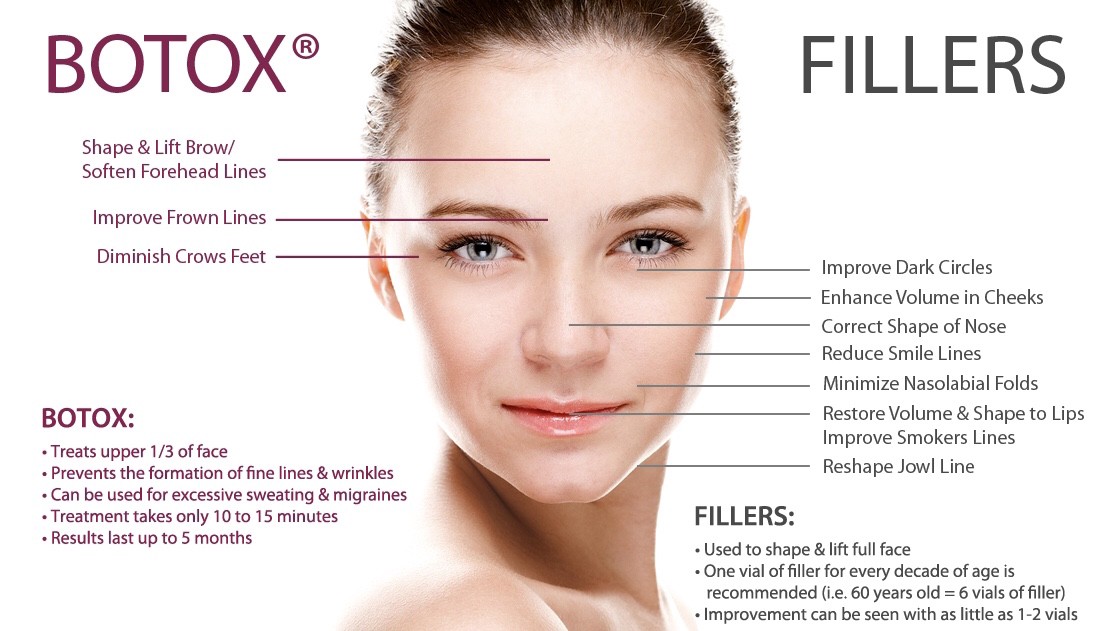
Botox is best for dynamic lines, which are wrinkles caused by muscle movement. These include forehead lines, lines between the eyebrows, and wrinkles around the eyes. If you notice lines mostly when making expressions, Botox may help soften them. It can also create a more rested look when used carefully by an experienced injector.
Fillers are best for static concerns related to volume loss, contour, and facial structure. They can plump lips, lift cheeks, soften deeper folds, and improve facial symmetry. They may also help areas that look tired because of hollowing rather than muscle movement. In contrast, fillers do not stop muscle activity, so they are not the best choice for expression lines.
Results and Longevity
How Long Each Option Lasts
The results from Botox usually appear within a few days, with full effects showing in about one to two weeks. Most people enjoy results for around three to four months. After that, muscle movement slowly returns, and lines may become more visible again. For this reason, many patients schedule maintenance visits several times a year.
Fillers often show results immediately, although mild swelling can make the final outcome take a little time to settle. Depending on the filler type, treatment area, and individual metabolism, results may last from several months to over a year. Some thicker fillers used for cheeks or jawline support may last longer than softer fillers used in the lips. As a result, fillers usually require less frequent maintenance than Botox.
Can Botox and Fillers Be Combined?
Creating a Balanced Refresh
Some people benefit from using both treatments together. For example, Botox can soften forehead lines while fillers restore cheek volume or enhance the lips. This combined approach can address movement lines and volume loss at the same time. Consequently, the final result may look more balanced and complete.
Some patients choose Botox Treatment with fillers because their concerns come from more than one cause. A tired appearance may involve frown lines, hollow cheeks, and deeper folds. Treating only one issue may help, but it may not create the full result they want. Therefore, a customized plan can often provide a more natural and satisfying outcome.
Safety and Side Effects
What You Should Know Before Choosing
Both treatments are generally safe when performed by a qualified professional. However, side effects can happen with any cosmetic procedure. Botox may cause mild redness, swelling, bruising, headache, or temporary unevenness. Rarely, it may lead to eyelid drooping or unwanted muscle weakness if placed incorrectly.
Fillers can also cause swelling, bruising, tenderness, or temporary lumpiness. In rare cases, fillers may create more serious complications if injected into a blood vessel. This is why provider skill matters so much. A trained injector understands facial anatomy, uses safe techniques, and knows how to respond quickly if a concern appears.
Cost and Maintenance
Planning for Long Term Results
Cost can vary based on your location, provider experience, treatment area, and the amount of product needed. Botox is usually priced by unit or treatment area, while fillers are often priced by syringe. Since fillers may last longer, the upfront cost can be higher, but maintenance may be less frequent. However, the best value comes from choosing the treatment that actually suits your concern.
Before choosing Botox Treatment, fillers, or both, think about your long term goals. Do you want to soften movement lines, restore volume, improve facial shape, or refresh your overall look? Your answer can guide the treatment plan. In addition, a responsible provider will explain pricing clearly and help you avoid unnecessary treatment.
Choosing the Right Treatment for You
Ask the Right Questions
The best treatment depends on your facial anatomy, age, skin condition, and personal preferences. During a consultation, ask your provider what causes your concern and which option will address it best. You should also ask how long results may last, what side effects to expect, and how much maintenance you may need. These questions help you feel informed rather than pressured.
You should also look for a provider who values natural results. A good injector will not simply follow trends or copy another person’s look. Instead, they will study your face and recommend a plan that enhances your features. As a result, you can feel more confident about your decision.
Final Thoughts
Botox and fillers both offer powerful ways to refresh your appearance, but they are not the same. Botox softens expression lines by relaxing targeted muscles, while fillers restore volume and improve shape. If your main concern is movement related wrinkles, Botox Treatment may suit you better. If your concern is volume loss, hollowing, or facial contour, fillers may be the right choice.
Ultimately, you do not have to make the decision alone. A trusted provider can help you understand what your face needs and create a safe, personalized plan. With the right approach, either treatment can help you look refreshed without changing who you are. The goal should always be simple, natural, and confident results.
Not sure what your skin needs?
Book a consultation at our Clifton clinic and our doctors will build a plan around your skin.