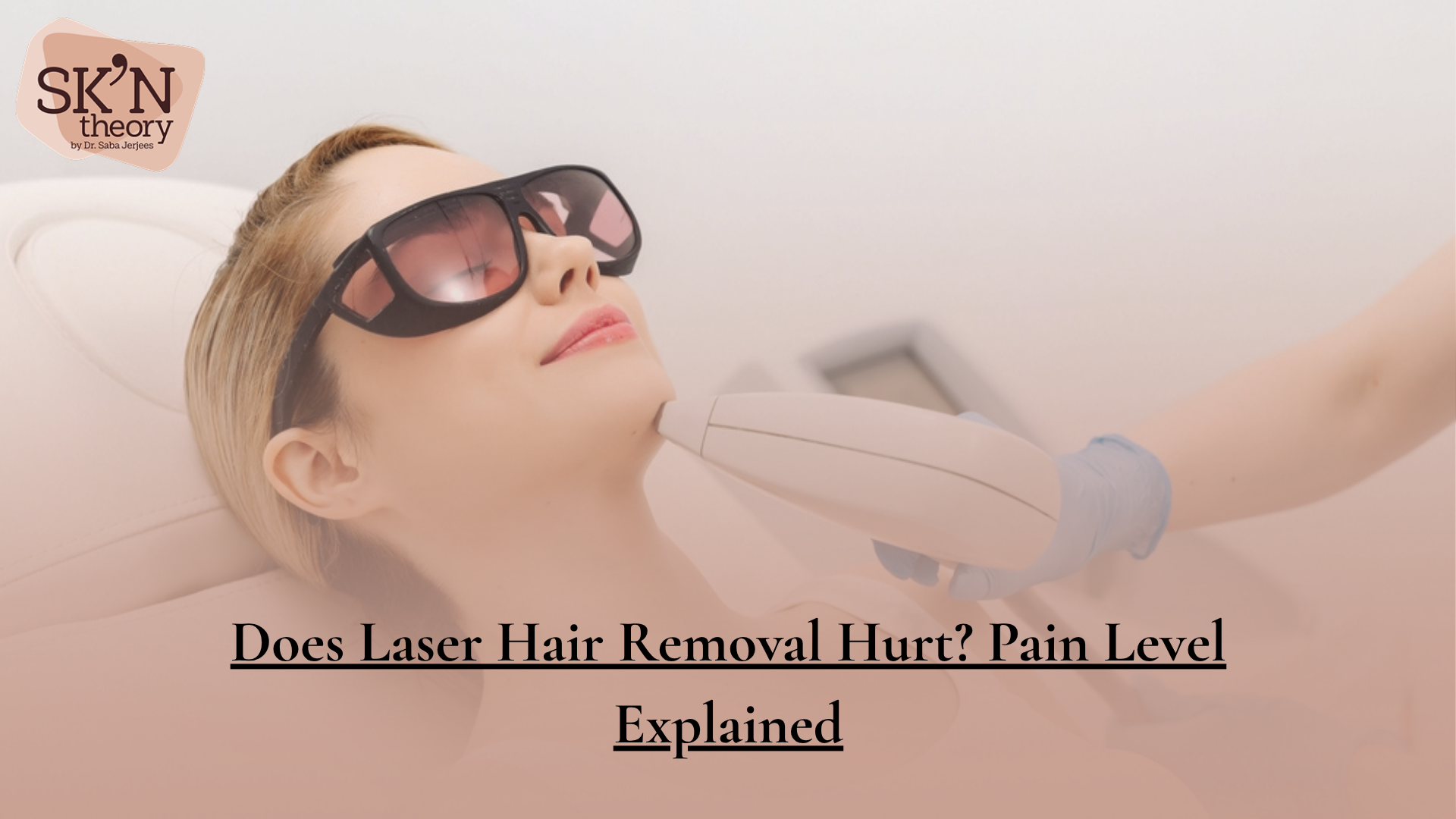
If you’ve been thinking about laser hair removal but holding back because of fear of pain, you’re not alone. It’s one of the most common questions asked before booking a session. The honest answer? It depends but for most people, it’s far more manageable than expected.
Laser hair removal works by targeting the melanin (pigment) in hair follicles with concentrated light energy. This heat disables the follicle and slows future hair growth. During the process, that heat is what causes the sensation and yes, it can be uncomfortable. But “uncomfortable” is not the same as unbearable.
What Does Laser Hair Removal Feel Like?
Most people describe the feeling as a rubber band snapping against the skin, followed by a brief stinging or warm sensation. Some compare it to a hot pinprick. The discomfort is quick — each pulse lasts a fraction of a second which makes the treatment very tolerable for most clients.
Modern laser machines often come equipped with built-in cooling systems (contact cooling, cryogen spray, or air cooling) that significantly reduce discomfort during the procedure. Many clinics also apply a numbing cream before treatment to make the experience even gentler.
Pain Levels by Body Area
Not all areas are created equal when it comes to sensitivity. Here’s a general breakdown:
Upper lip and chin: These are among the more sensitive areas due to proximity to nerves and thinner skin. Clients often describe a sharper sting here.
Underarms: Moderately uncomfortable. The skin is thin and the area can be sensitive, but the small surface area means sessions are quick.
Bikini and Brazilian: This is typically rated as the most uncomfortable area due to the sensitivity of the skin and proximity to nerve endings. Most clients say it is manageable but intense.
Legs: Generally rated as low-to-moderate discomfort. The skin is thicker and the area is less sensitive than others, making this one of the more tolerable treatment zones.
Back and chest: Mild to moderate. The larger surface area means longer sessions, but the discomfort level is usually quite low.
Face (excluding upper lip): Mild. Most clients find this very manageable.
Factors That Affect Pain Levels
Several factors can influence how much discomfort you experience:
Skin tone and hair color: Laser works best on light skin with dark hair because the contrast helps target melanin precisely. Treatments on darker skin may require lower energy settings, which can reduce both effectiveness and discomfort.
Hair thickness: Coarser hair absorbs more laser energy, which can increase the sensation slightly.
Hormonal sensitivity: Women may find certain areas more sensitive during their menstrual cycle.
Individual pain tolerance: Everyone is different. What feels like a mild tingle to one person may feel more intense to another.
Technology used: Older diode lasers or IPL devices may be less comfortable than newer, advanced machines with better cooling systems.
How to Reduce Discomfort Before and After
There are several steps you can take to make your laser hair removal experience as comfortable as possible:
Apply numbing cream: Ask your clinic if they offer topical numbing cream. Applied 30–45 minutes before treatment, it can significantly reduce sensitivity.
Shave 24 hours before: Shaving beforehand reduces surface hair, which means less heat on the skin and a more comfortable session.
Avoid caffeine: Caffeine can increase skin sensitivity. Skip your morning coffee before your appointment if you’re nervous about pain.
Stay hydrated: Well-hydrated skin tends to respond better to laser treatment.
Take over-the-counter pain relief: Some people take ibuprofen an hour before treatment to reduce inflammation and discomfort.
Avoid sun exposure: Tanned or sun-damaged skin is more sensitive to heat. Always avoid sun for at least two weeks before treatment.
After the session, apply aloe vera gel or a cool compress to soothe any redness or warmth. Avoid heat (saunas, hot showers) for 24–48 hours.
Who Finds Laser Hair Removal More Uncomfortable?
Those with very fine, light-colored, or red hair may require higher energy settings because lighter hair absorbs less melanin. This can result in slightly more discomfort. Additionally, people with conditions like PCOS (polycystic ovary syndrome) or hormonal imbalances may have heightened skin sensitivity.
If you have a very low pain threshold, discuss it openly with your technician. They can adjust settings, apply more cooling, or allow more breaks during treatment.
Is It Worth It?
The short-term discomfort of laser hair removal is widely considered worth the long-term results. Most clients see a 70–90% permanent reduction in hair growth after 6–8 sessions. Compare a few seconds of discomfort per pulse to a lifetime of shaving, waxing, and ingrown hairs — the trade-off becomes very clear.
Laser hair removal is one of the most popular cosmetic procedures globally for a reason. The pain level is manageable, the technology continues to improve, and the results are long-lasting. If you’re on the fence, consider booking a patch test or consultation first it’s the best way to assess your personal pain threshold before committing to full sessions.
Final Thoughts
Laser hair removal does involve some discomfort, but it’s rarely described as truly painful. Most clients find it tolerable and well worth the smooth, hair-free results that follow. With the right preparation, numbing options, and a skilled technician, you can make your sessions as comfortable as possible.
If you’ve been putting off laser hair removal because of fear, now is the time to take that first step. Book a consultation, ask about pain management options, and begin your journey toward lasting smoothness.
Not sure what your skin needs?
Book a consultation at our Clifton clinic and our doctors will build a plan around your skin.