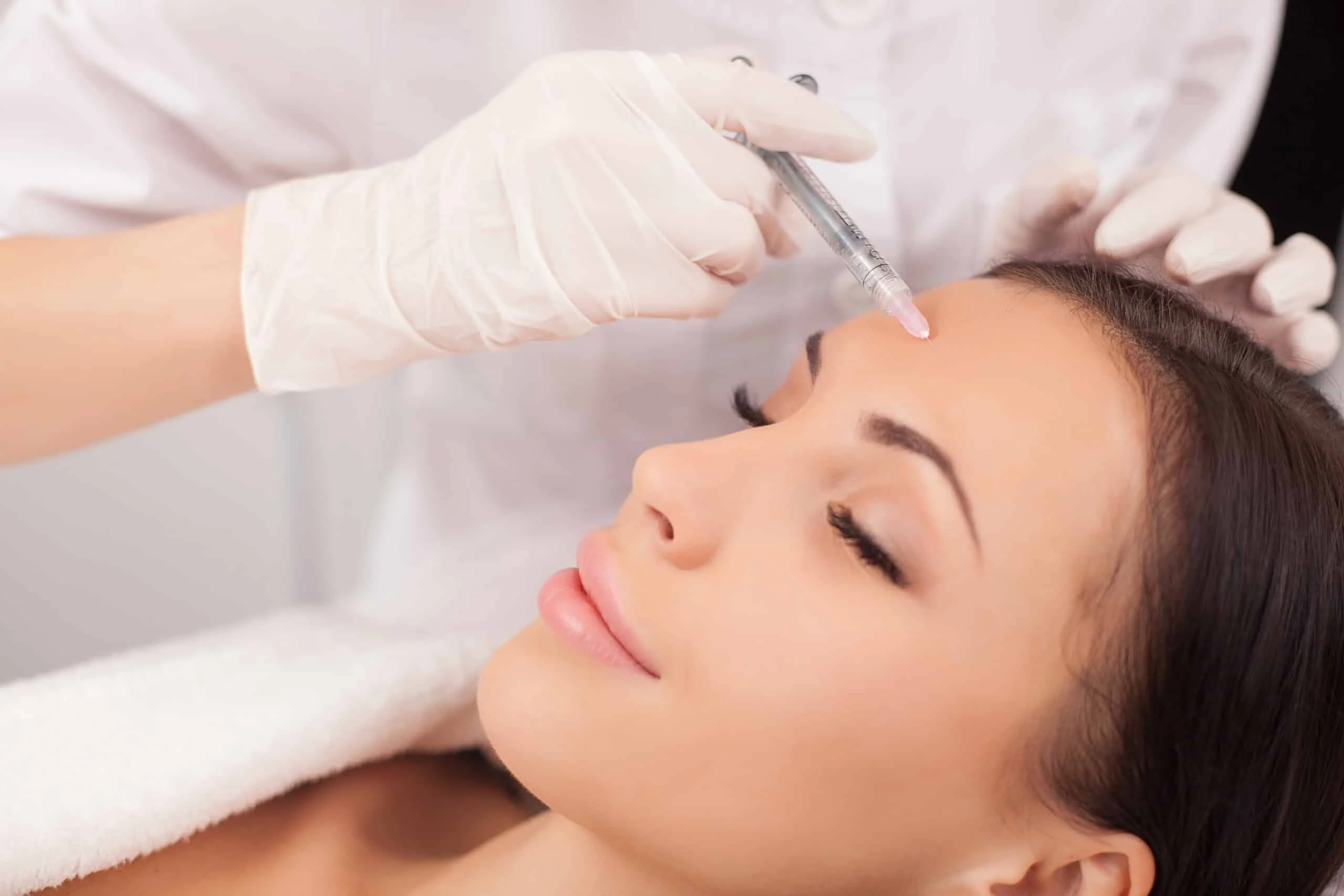
Understanding Botox Safety
Botox Treatment is widely used for reducing fine lines, softening wrinkles, and creating a refreshed facial appearance. Many people choose it because it is quick, minimally invasive, and does not require major downtime. However, safety depends on the provider’s experience, the quality of the product, and the patient’s health history. Therefore, anyone considering it should understand both the benefits and the possible risks before booking an appointment.
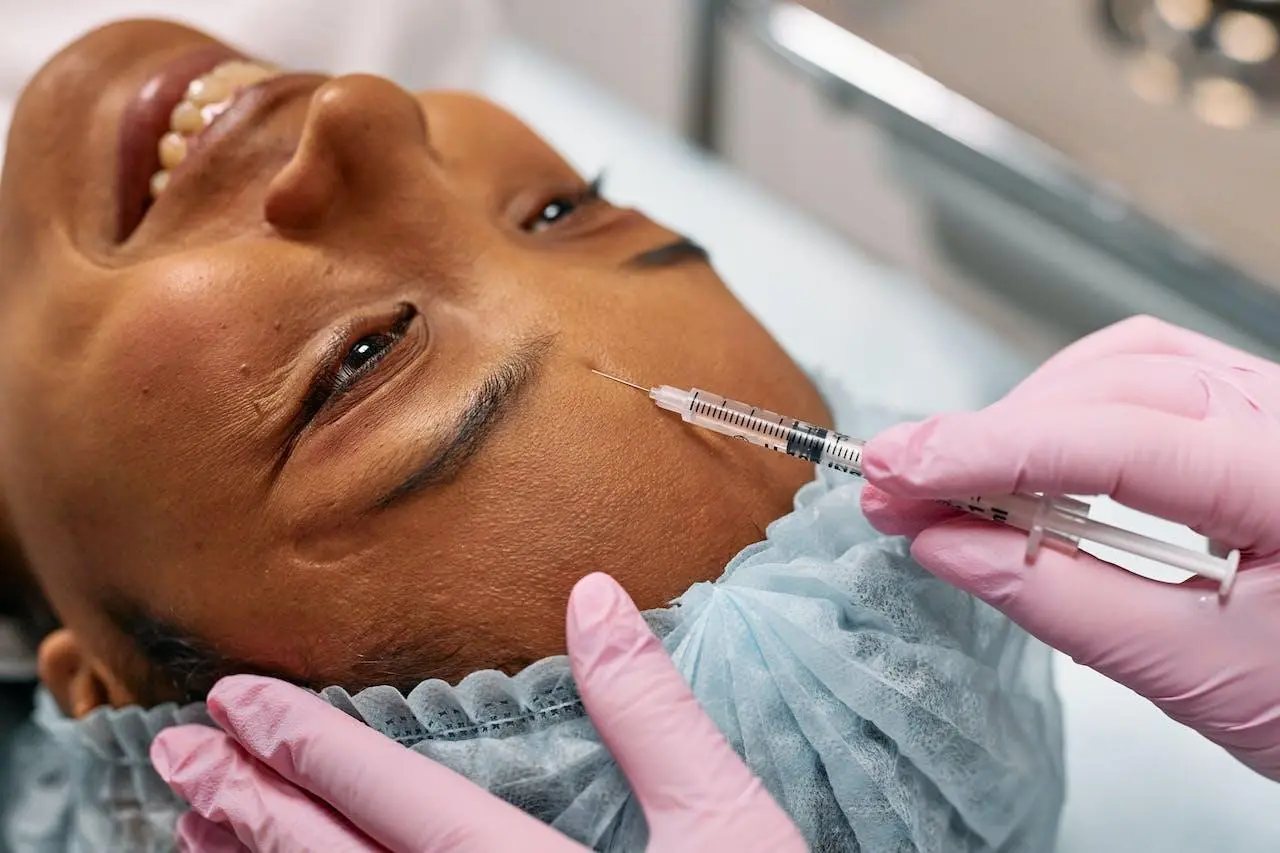
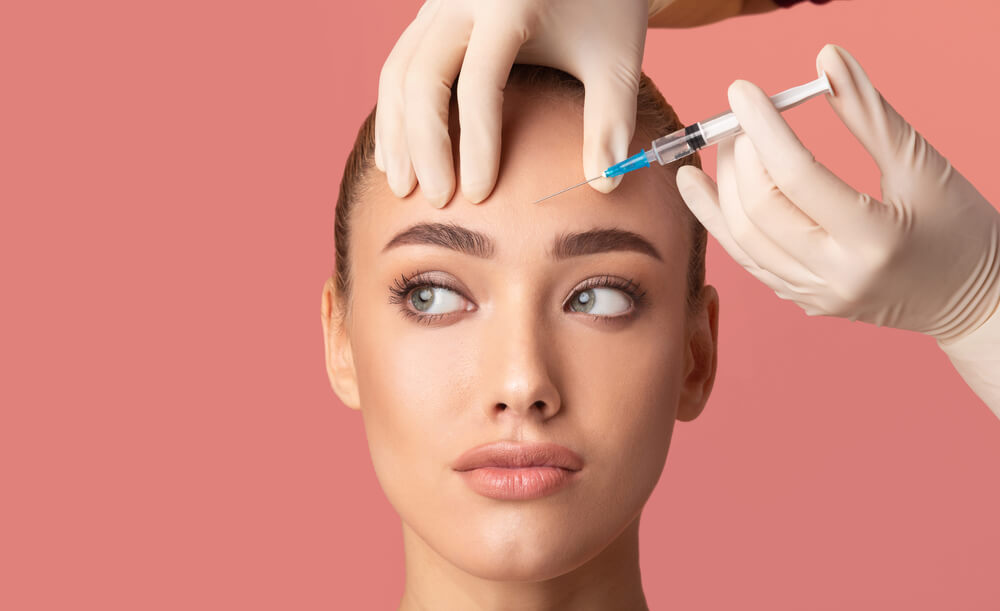
In general, Botox is considered safe when a licensed and trained medical professional performs the procedure. The treatment uses a purified form of botulinum toxin in very small, controlled amounts. It works by relaxing targeted muscles that cause expression lines. Even so, it is still a medical procedure, so proper consultation and careful technique matter.
How Botox Works in the Body
The Science Behind Muscle Relaxation
Botox blocks certain nerve signals that tell muscles to contract. When the targeted muscles relax, the skin above them appears smoother. This effect is temporary, which means muscle movement gradually returns after a few months. As a result, the face can look softer without permanently changing its natural structure.
The treatment is commonly used on forehead lines, frown lines, and crow’s feet. In some cases, providers also use it for jaw slimming, excessive sweating, and certain medical concerns. Because each area requires a different technique, your provider must understand facial anatomy well. This is why choosing the right clinic is just as important as the treatment itself.
Is Botox Safe for Everyone?
Who Makes a Good Candidate?
A safe Botox Treatment plan starts with a detailed consultation. Your provider should ask about your medical history, allergies, medications, previous cosmetic procedures, and treatment goals. They should also examine your facial movement before deciding where to inject. This step helps reduce the risk of unwanted results and improves the chance of a natural look.
However, Botox may not be suitable for everyone. Pregnant or breastfeeding women are usually advised to avoid it. People with certain nerve or muscle disorders should also speak with a qualified medical professional before considering treatment. Additionally, anyone with an active skin infection near the injection site should wait until the area has fully healed.
Common Side Effects of Botox
Mild Reactions You May Notice
Most side effects are mild and temporary. Some people notice redness, swelling, tenderness, or small bruises around the injection sites. These effects usually fade within a few hours to a few days. Moreover, they often improve faster when patients follow aftercare instructions carefully.
Some people may also experience a mild headache after treatment. Others may feel slight tightness in the treated area as the product begins to work. These reactions are usually not serious and settle on their own. Still, you should contact your provider if symptoms feel unusual, worsen, or last longer than expected.
Rare Side Effects and Warning Signs
When to Seek Medical Help
Although rare, more serious side effects can happen. These may include eyelid drooping, uneven eyebrows, vision changes, muscle weakness, or difficulty swallowing. Such issues are more likely when injections are placed incorrectly or when too much product is used. Therefore, an experienced injector plays a major role in keeping the procedure safe.
You should seek medical attention if you experience breathing problems, severe weakness, or trouble speaking after Botox Treatment. These symptoms are uncommon, but they require urgent care. It is also important to report any unexpected reaction to your provider. Clear communication helps them guide you properly and adjust future treatments if needed.
Important Precautions Before Treatment
Steps to Take Before Your Appointment
Before your appointment, share your complete health history with your provider. Tell them if you take blood thinners, muscle relaxants, allergy medications, or supplements. Some products can increase the chance of bruising, so your provider may advise you on what to avoid before treatment. However, never stop any prescribed medication without speaking to your doctor first.
You should also be realistic about your goals. Botox can soften lines and improve facial balance, but it cannot replace surgery or change skin texture completely. A skilled provider will explain what the treatment can and cannot do. As a result, you can make a confident decision based on honest expectations.
Aftercare Tips for Better Safety
What to Do After Botox
After Botox Treatment, follow your provider’s aftercare instructions closely. In many cases, they may advise you not to rub or massage the treated area for several hours. They may also recommend avoiding heavy exercise, saunas, and lying flat immediately after the procedure. These simple steps help the product stay in the intended area.
In addition, avoid touching your face unnecessarily after your appointment. Keep your skin clean and gentle for the rest of the day. If you notice mild swelling or redness, it should settle naturally. However, contact your provider if anything feels concerning or different from what they explained during your visit.
Choosing the Right Provider
Why Experience Matters
The safety of your results depends greatly on the person performing the injections. A qualified provider understands facial anatomy, proper dosage, and precise placement. They also know how to create natural results without making the face look stiff or overdone. Therefore, you should never choose a clinic based only on the lowest price.
Look for a licensed professional with strong experience in cosmetic injections. Read reviews, ask questions, and request before and after examples when available. A trusted provider will never rush your consultation or pressure you into treatment. Instead, they will focus on your safety, comfort, and long term satisfaction.
Final Thoughts on Botox Safety
Botox is generally safe when performed by a trained professional in a clean and reputable setting. Most side effects are mild, temporary, and easy to manage. Still, every cosmetic procedure carries some level of risk, so preparation matters. By asking questions, sharing your health history, and following aftercare instructions, you can reduce potential concerns.
Ultimately, Botox Treatment can be a safe and effective option for people who want a smoother and more refreshed appearance. The key is to choose an experienced provider and maintain realistic expectations. Furthermore, you should listen to your body and report anything unusual after treatment. With the right approach, Botox can help you look rested while still feeling like yourself.
Not sure what your skin needs?
Book a consultation at our Clifton clinic and our doctors will build a plan around your skin.