Understanding Eyebrow Tinting Safety
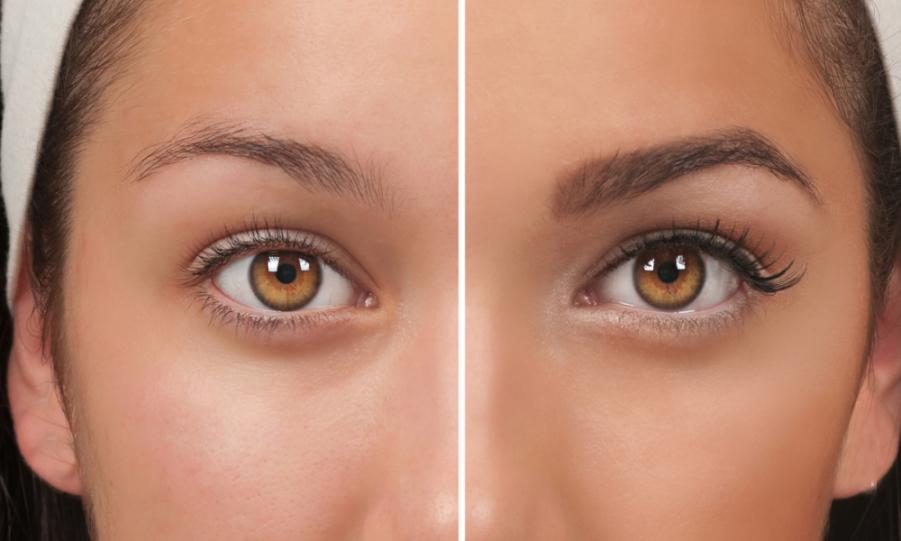
Eyebrow Tinting can help define your brows, add depth, and create a fuller appearance without daily makeup. Many people choose it because it saves time and gives the face a more polished look. However, not everyone is the right candidate for this beauty service. Therefore, it is important to understand when tinting may not be safe or suitable for your skin, eyes, or overall health.
Brow tinting uses dye to darken the brow hairs and improve their shape. Although the process may seem simple, the skin around the eyes is delicate and can react easily. Some people may experience redness, itching, swelling, or irritation after dye application. As a result, knowing your risk factors before booking can help you avoid discomfort and unwanted reactions.
People With Allergies Should Be Careful
Why Dye Allergies Matter
Anyone with a history of dye allergies should be cautious before trying brow tinting. Some dyes contain ingredients that may trigger sensitivity, especially in people who have reacted to hair dye in the past. A reaction can cause itching, burning, swelling, rashes, or watery eyes. In more serious cases, swelling around the eye area can become painful and concerning.
If you have ever reacted to hair color, lash tint, henna, or cosmetic dyes, tell your beauty professional before your appointment. You should not assume that a brow dye will be safe just because it is used in a small area. The skin near the brows can absorb ingredients quickly, and the eyes sit very close to the treatment area. Therefore, honest communication can help your provider decide whether the service is safe for you.
People With Sensitive Skin
When Skin Reacts Too Easily
Sensitive skin can make tinting more risky. If your skin often becomes red, itchy, dry, or irritated after skincare products, makeup, or facial treatments, you may react to brow dye as well. This is especially true if your skin barrier is already weak or inflamed. In this case, even a mild tint can feel uncomfortable.
People with eczema, psoriasis, dermatitis, or active irritation near the brows should avoid Eyebrow Tinting until the skin has fully healed. Applying dye over damaged or inflamed skin can make symptoms worse. It may also increase the chance of burning, stinging, or peeling. For this reason, it is better to wait and focus on calming the skin first.
People With Eye Conditions
Protecting the Eye Area
You should avoid brow tinting if you currently have an eye infection or irritation. Conditions such as conjunctivitis, styes, swollen eyelids, or unexplained redness can become worse if dye gets near the eyes. Even a small amount of product can cause discomfort when the eye area is already sensitive. Therefore, it is best to postpone your appointment until your eyes are healthy again.
People who have frequent eye allergies should also be careful. Watery, itchy, or irritated eyes can make the tinting process more uncomfortable. In addition, rubbing the eyes after treatment may spread dye residue or worsen irritation. If you are unsure, speak with a medical professional before scheduling the service.
Pregnant or Breastfeeding Individuals
Why Extra Caution Helps
Pregnancy and breastfeeding can make the skin more reactive for some people. Hormonal changes may increase sensitivity, dryness, or unexpected irritation. Although many beauty services may seem routine, the body can respond differently during this time. As a result, extra caution is always a smart choice.
If you are pregnant or breastfeeding, ask your healthcare provider before choosing Eyebrow Tinting. You should also request a patch test and choose a trained professional who uses high quality products. Even if you have tinted your brows before without any issues, your skin may react differently now. Taking simple precautions can help protect your comfort and peace of mind.
People Using Strong Skincare Products
Retinoids, Acids, and Peels
Certain skincare products can make the brow area more sensitive. Retinoids, exfoliating acids, acne treatments, and chemical peels may thin or irritate the surface of the skin. If dye touches skin that has been recently exfoliated, it may cause stinging, redness, or uneven staining. Therefore, your current skincare routine matters before any tinting service.
Tell your brow artist if you use retinol, tretinoin, glycolic acid, salicylic acid, or similar active ingredients. They may advise you to pause certain products before your appointment. However, you should follow professional guidance rather than stopping prescription skincare on your own. A careful approach helps reduce irritation and supports better results.
People With Recent Facial Treatments
Timing Your Beauty Services Safely
If you recently had waxing, threading, microdermabrasion, laser treatment, or a chemical peel near the brow area, you should wait before tinting. These treatments can make the skin temporarily sensitive. Adding dye too soon may increase redness, burning, or discomfort. In some cases, the tint may also grab unevenly on freshly treated skin.
Your skin needs time to recover before another service. A trained professional can help you decide when it is safe to return. In general, healthy and calm skin responds better to tinting. Consequently, spacing out treatments can protect your skin and improve the final look.
Why a Patch Test Is Important
A Simple Step That Can Prevent Problems
A patch test is one of the best ways to check for possible reactions before brow tinting. During a patch test, a small amount of dye is placed on the skin, usually behind the ear or on the inner arm. Then, you wait for the recommended time to see whether redness, itching, swelling, or irritation appears. This step may seem small, but it can prevent a much bigger problem near the eyes.
You should not skip a patch test, especially if this is your first time or if you have sensitive skin. Even people who have had Eyebrow Tinting before can develop a reaction later. Allergies can appear suddenly, even after years of using similar products. Because of this, responsible salons often recommend testing before applying dye near the face.
Signs You Should Stop or Delay Treatment
Listen to Your Skin
You should delay your appointment if the brow area feels itchy, sore, sunburned, or irritated. You should also avoid tinting if you have cuts, open skin, acne flare ups, or swelling around the brows. Applying dye in these situations can make the skin feel worse. It can also increase the chance of infection or uneven results.
During the service, speak up if you feel burning, intense stinging, or discomfort. A mild sensation may happen for some people, but strong discomfort is not something to ignore. Your provider should remove the product and check your skin right away. Ultimately, your safety matters more than finishing the treatment.
Choosing a Safe Brow Professional
What to Look For Before Booking
A skilled brow professional will ask questions before applying dye. They should ask about allergies, skin conditions, medications, skincare products, and recent treatments. They should also explain the process clearly and offer a patch test when needed. This shows that they care about safety as much as appearance.
Avoid salons that rush the process or dismiss your concerns. Clean tools, quality products, and proper hygiene are essential for safe results. In addition, your provider should keep dye away from the eyes and remove it carefully. With the right professional, you can feel more confident about your decision.
Final Thoughts
Brow tinting can be a helpful beauty service, but it is not suitable for everyone. People with allergies, sensitive skin, eye conditions, active irritation, or recent facial treatments should take extra care. In many cases, waiting until the skin is calm and healthy can make the service safer. Therefore, patience can protect both your appearance and your comfort.
Before choosing Eyebrow Tinting, think about your skin history and ask the right questions. A patch test, honest consultation, and trained provider can reduce many common risks. If your skin or eyes feel irritated, it is better to delay the appointment than risk a reaction. With thoughtful care, you can make a safer choice for your brows and overall skin health.
Not sure what your skin needs?
Book a consultation at our Clifton clinic and our doctors will build a plan around your skin.